Siddhavat Temple: A Sacred Place for Pitrdosh Puja
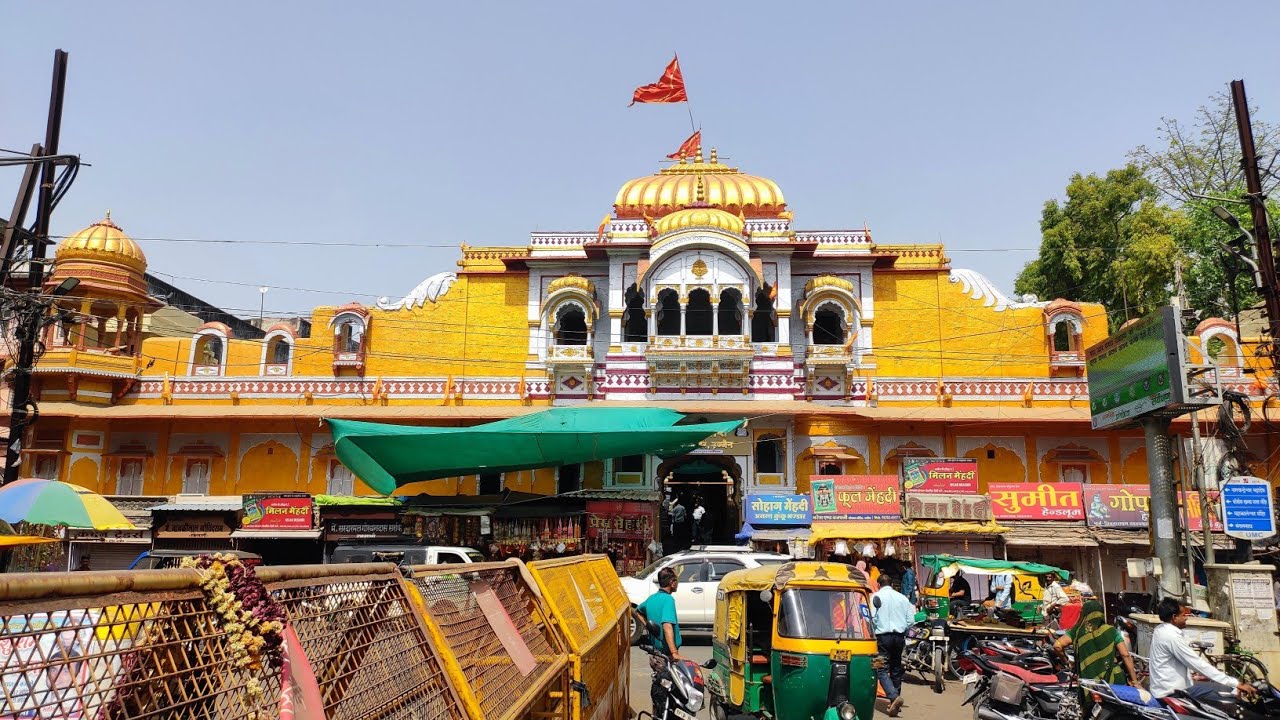

Religious Significance of Siddhavat Temple
Siddhavat is known primarily for Pitrdosh Puja, which is believed to help resolve problems that may have arisen due to Pitru Dosh. Pitru Dosh is considered a curse in Hinduism, often thought to affect the lives of the living descendants if they have not performed the necessary rites for their ancestors. According to Hindu tradition, when these rites are not properly completed, it can lead to obstacles, misfortunes, and distress in the lives of the family members.
The temple is famous for its Banyan tree (known as Siddhavat), under which devotees offer prayers for the salvation of their ancestors. The sacred tree is believed to be a source of divine energy and a channel for performing ancestral rites.
Historical Context
Siddhavat, as a place of worship, has deep connections with Ujjain’s history and its association with the ancient practices of ancestor worship. While it is not tied directly to Lord Krishna’s life in the way some other temples in Ujjain are, it holds its own special place in the hearts of devotees seeking solace for ancestral spirits.
Key Rituals and Practices
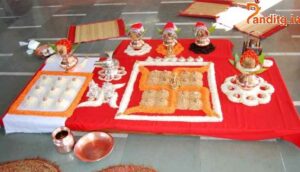
- Pitrdosh Puja: The main ritual at Siddhavat involves Pitrdosh Puja, which is performed by devotees who wish to appease their ancestors and remove any negative effects they may be facing due to unresolved ancestral rituals.
- Tarpan Ceremony: Devotees perform Tarpan, which is a water offering to the ancestors, and other rites like Pind Daan (offering of rice balls) to seek the blessings of the departed souls.
- Fasting and Offering: On specific days, pilgrims fast and offer sesame seeds, water, and rice at the temple to invoke the blessings of the ancestors and Lord Vishnu.
Festivals and Celebrations
Siddhavat Temple witnesses a steady flow of devotees throughout the year, particularly during significant festivals like Pitru Paksha (an auspicious period for honoring ancestors in the Hindu calendar). During this time, the temple becomes a hub for performing Pitrdosh Puja and other ancestral rituals.
Visitor Information
- Timings: The temple remains open from 6:00 AM to 7:00 PM daily.
- Entry Fees: Free entry for visitors, although donations for puja services are common.
- Best Time to Visit: Visiting during Pitru Paksha or early mornings for a peaceful and spiritual experience.
Nearby Attractions
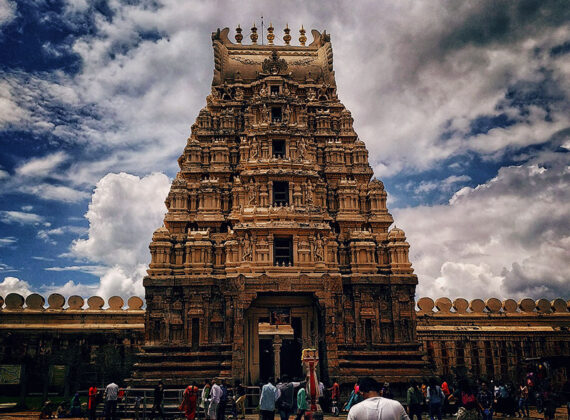
- Mahakaleshwar Temple: The famous Jyotirlinga temple dedicated to Lord Shiva is nearby and is a must-visit.
- Harsiddhi Temple: Located a short distance from Siddhavat, this temple is another key spiritual site in Ujjain.
- Ram Ghat: Known for its religious significance and evening aartis, a visit to Ram Ghat can be a fulfilling experience after visiting Siddhavat.
Conclusion
While the Siddhavat Temple may not be directly associated with Lord Krishna, it holds a significant place in Ujjain’s spiritual landscape. Its importance in performing Pitrdosh Puja and honoring the ancestors makes it a key destination for those seeking to overcome family and personal obstacles. The tranquil atmosphere of Siddhavat, coupled with its historical and spiritual significance, makes it an essential visit for pilgrims and those in search of peace and prosperity through the blessings of their ancestors.